Is your living room so bright it feels like an interrogation room? Or is it so dim that it resembles a cave? The culprit is usually buying bulbs based on the wrong measurement. If you want to know exactly how bright a living room should be, you need to stop looking at watts and start looking at lumens.
As a professional lighting consultant, Guocio is here to help you calculate the exact brightness your space needs. We will also share the best Living Room Lighting Ideas to achieve the perfect glow without straining your eyes.
Lumens vs. Watts: What’s the Difference?
In the past, we bought 60-watt or 100-watt bulbs to measure brightness. However, watts only measure energy consumption. With modern LED technology, a 10-watt LED can be just as bright as a 60-watt incandescent bulb! Therefore, to measure actual brightness, we use Lumens. Simply put: More Lumens = Brighter light.
The Magic Formula: How Many Lumens Do You Need?
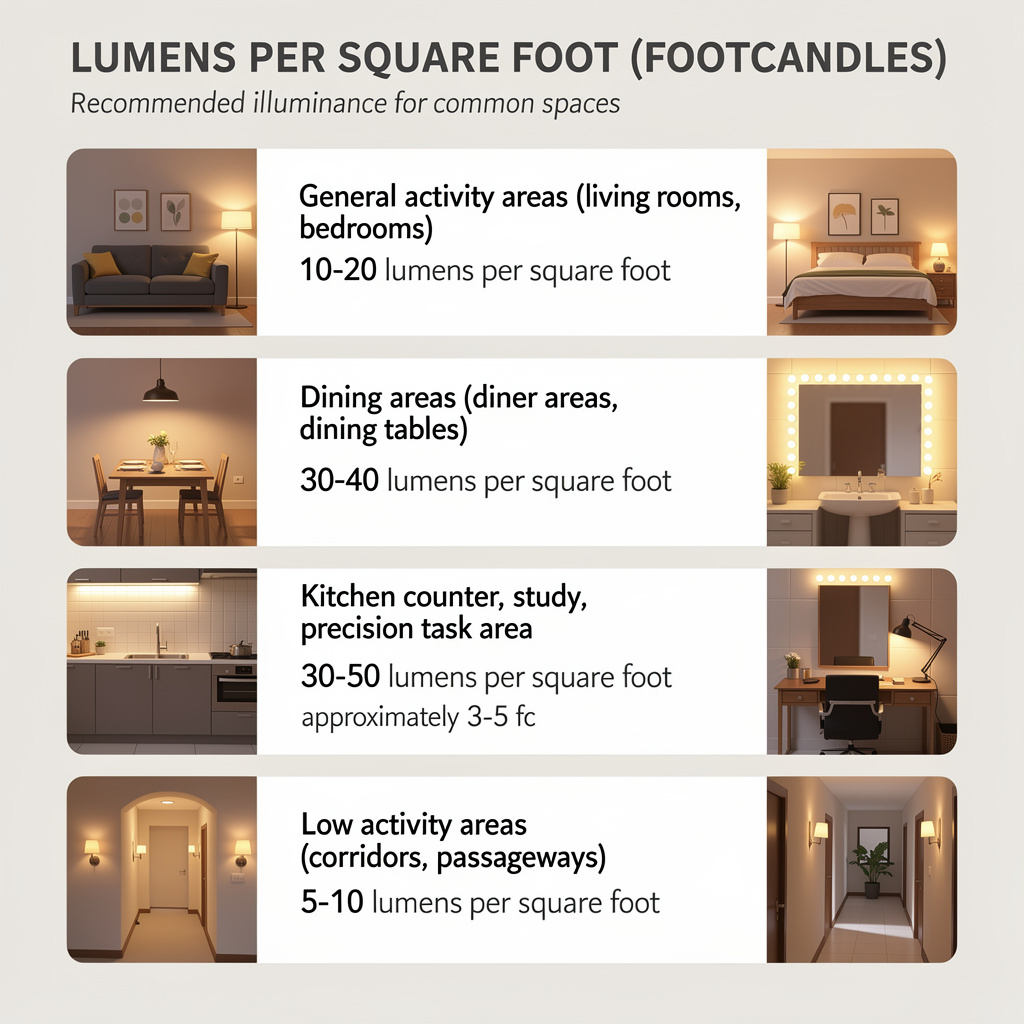
The industry standard for a living room is about 10 to 20 lumens per square foot. Let’s do a quick calculation. If you have a standard 200-square-foot living room:
- Minimum: 200 sq.ft × 10 lumens = 2,000 lumens
- Maximum: 200 sq.ft × 20 lumens = 4,000 lumens
So, your total target should be around 3,000 lumens. Keep in mind that dark wall colors absorb light, meaning you might need more lumens. This is exactly why custom Home lighting design is so important.
Distributing Lumens: The Art of Layering (Do Not Buy ONE Bright Bulb!)
Here is the biggest mistake you can make: putting all 3,000 lumens into a single bulb in the center of the ceiling. It will cause severe glare! A successful living room lighting design distributes the total lumens across various fixtures. Here is how you do it:
- Ambient Lighting (1,500 – 2,000 Lumens): Provide the base layer of light using a stylish Pendant Lamp or an elegant Ceiling Lamp.
- Task Lighting (400 – 800 Lumens): Add a sleek Floor Lamp next to your reading chair, or a beautiful Table Lamp on a side table to provide focused brightness for activities.
- Accent Lighting (200 – 400 Lumens): Use a Spot Light or a decorative Wall Lamp to illuminate artwork and eliminate dark corners.
Beyond the Living Room: Holistic Solutions by Guocio
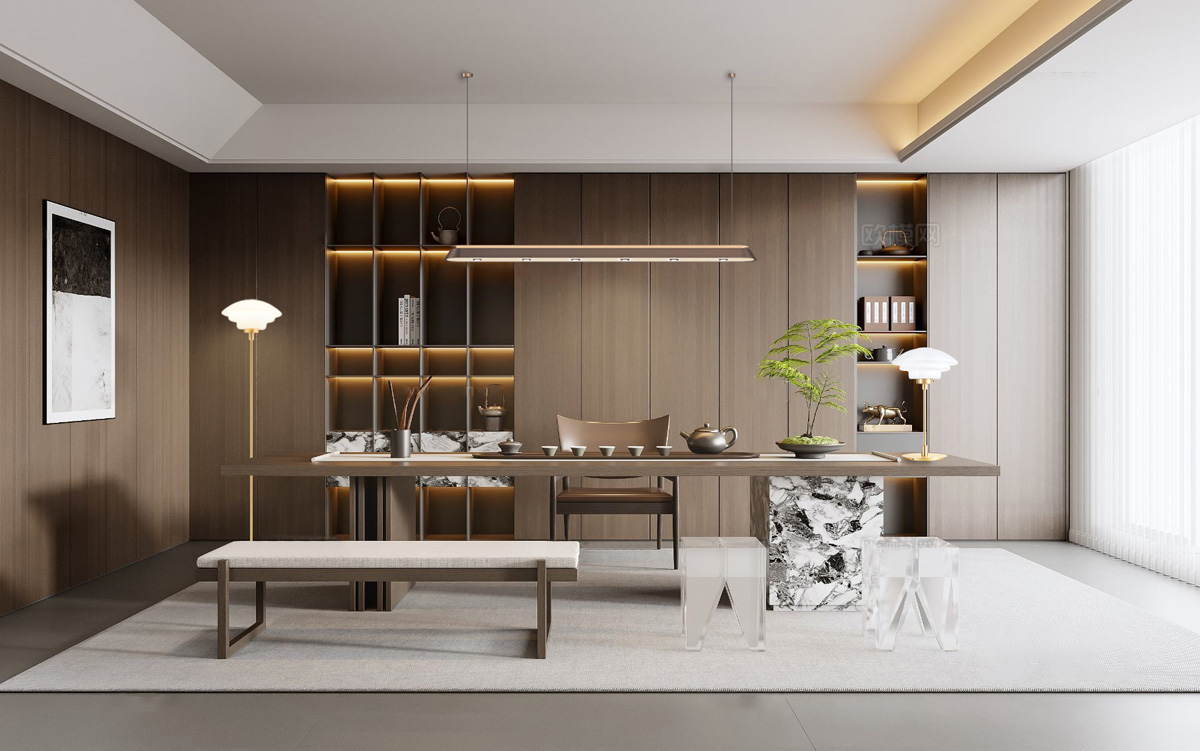
While 3,000 lumens is great for lounging, other areas in your property have completely different requirements. At Guocio, we provide comprehensive lighting design services to ensure every space functions perfectly.
For instance, a kitchen requires higher brightness (7,000+ lumens) for safe food prep. We specialize in bright, functional kitchen lighting design and tailored kitchen lighting Solutions. Conversely, bedrooms require softer, lower lumens to promote sleep, which is the core of our bedroom lighting design and relaxing bedroom lighting Solutions.
We also cater to corporate environments. Productivity relies heavily on proper illumination. Guocio delivers precise Office lighting design along with anti-glare Office lighting Solutions. If you manage retail or hospitality spaces, our robust Commercial Lighting Solutions will make your brand shine.
Get Your Perfect Living Room Lighting Solutions Today
Don’t guess your lumens anymore. Let the experts handle the math! By properly layering your lighting with high-quality fixtures, you can transform your space. Explore Guocio’s premium collection and discover our bespoke living room lighting Solutions. Visit Guocio.com today and book a consultation with our experts!