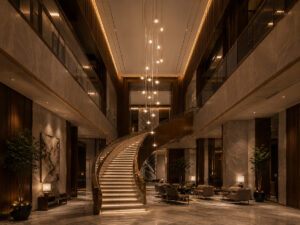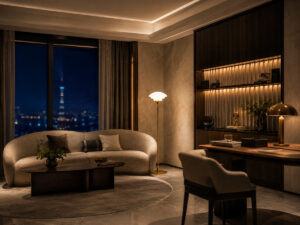
You have spent weeks perfecting the furniture layout, sourcing the ideal materials, and presenting a concept board that your client loves. Then comes the final walkthrough — and something feels off. The space looks flat. The atmosphere is missing. The design does not feel as impressive as it did on paper.
In most cases, the missing element is lighting.
Lighting is one of the most powerful — and most frequently underestimated — tools in interior design. It defines depth, sets mood, highlights focal points, and ultimately determines how a space feels to the people inside it. Yet for many interior design firms, lighting decisions are left too late, treated as a specification afterthought rather than a core design layer.
This is precisely why the most successful design firms today work with a dedicated lighting design partner. Not simply a product supplier, but a strategic collaborator who brings technical expertise, product knowledge, and creative vision to every project — from the first brief to the final tuning.
In this guide, we explore exactly how that collaboration works, why it matters, and what interior designers, architects, and developers should look for when choosing the right lighting partner.

What Does a Lighting Design Partner Actually Do?
There is a common misconception that a lighting design partner is simply someone who helps you pick fixtures. In reality, the role is far more strategic and technical.
A professional lighting design partner is responsible for:
- Light Environment Planning: Mapping out how light will move through a space, considering natural light, artificial light sources, and their combined effect at different times of day.
- Layered Lighting Strategy: Designing a structured system of ambient, task, and accent lighting that creates depth and flexibility within any space.
- Fixture Specification: Recommending specific products — fromceiling lamps and pendant lamps to wall lamps and spotlights — matched to the design intent and technical requirements.
- Technical Coordination: Providing lux level calculations, colour temperature recommendations, and glare control specifications that align with both design goals and building standards.
- Atmosphere and Brand Alignment: Ensuring the lighting character matches the overall design language — whether that is minimalist, hospitality-luxe, industrial, or biophilic.
Think of a lighting design partner as an extension of your design team — one who speaks your creative language while adding a specialised technical dimension that most interior design firms do not carry in-house.
The 5 Stages of Collaboration Between Interior Designers and Lighting Partners
Understanding the collaboration workflow helps interior design firms integrate their lighting partner more effectively into every project. Here are the five key stages:
Stage 1: Brief & Concept Alignment
The lighting partner joins the project at concept stage — ideally before any ceiling plans or electrical layouts are finalised. At this stage, the team aligns on the project’s design language, functional requirements, client lifestyle or brand identity, and budget parameters. The earlier the lighting conversation begins, the more creative and technically integrated the result will be.
Stage 2: Lighting Concept Design
The lighting partner develops a lighting concept that maps out the primary light layers for each zone of the space. This includes mood references, zone-by-zone lighting intent, and an initial direction for fixture categories — for example, which areas call for ceiling lamps as ambient anchors, and which benefit from pendant lamps
as visual focal points.
Stage 3: Fixture Selection & Specification
Once the concept is approved, the lighting partner moves into detailed fixture selection. Each product is chosen based on aesthetic fit, photometric performance, colour temperature, dimmability, and budget alignment. Specification sheets are prepared for the contractor and project team to ensure accurate installation.
Stage 4: On-Site Coordination
During the construction and fit-out phase, the lighting partner coordinates with the main contractor and M&E team to confirm lighting point positions, ceiling heights, conduit routing, and dimming system integration. This stage is critical for preventing the common mistake of finalising electrical work before lighting positions are confirmed.
Stage 5: Final Tuning & Handover
Once fixtures are installed, the lighting partner conducts an on-site commissioning session — adjusting dimmer levels, confirming spotlight angles, fine-tuning colour temperatures, and ensuring the space performs exactly as designed. A handover briefing may also be provided to the client or facilities team.
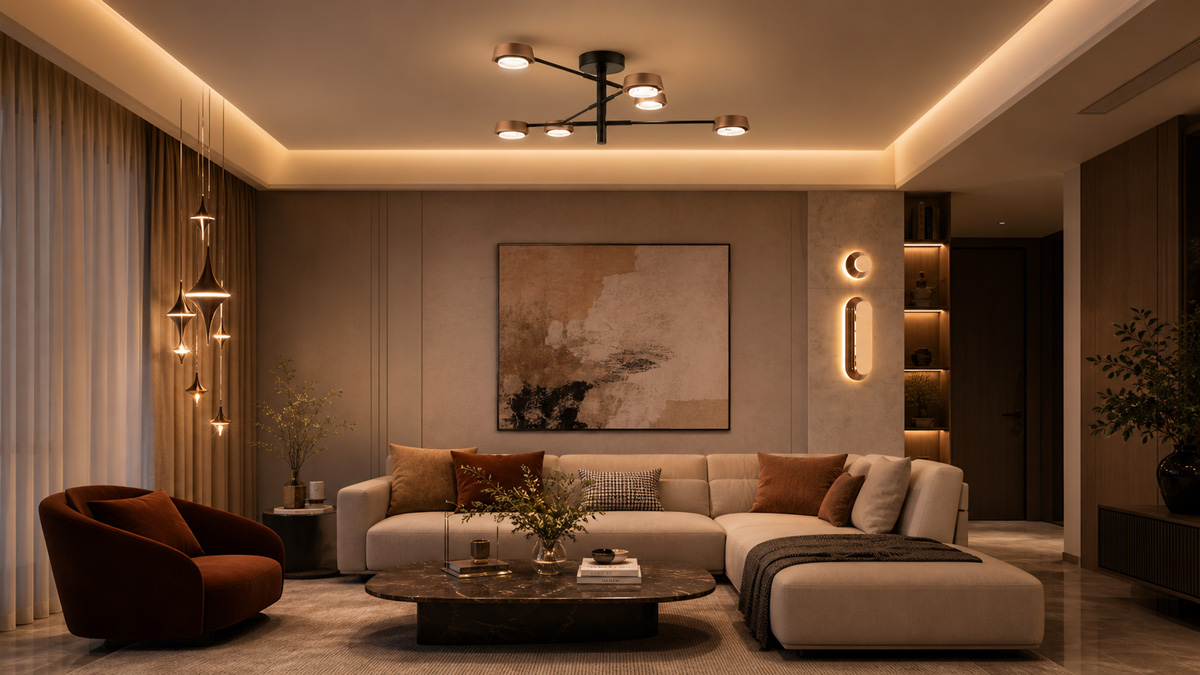
Key Lighting Strategies Interior Designers Should Know
Even if you work closely with a lighting partner, understanding the fundamentals of lighting strategy will make you a more effective collaborator and a more knowledgeable advocate for your clients.
The Three-Layer Lighting Model
Professional lighting design is built around three distinct layers, each serving a different functional and emotional purpose:
- Ambient Light (General Illumination): The foundational layer that provides overall brightness in a space. Typically delivered by ceiling lamps or pendant lamps,
this layer ensures the space is functional and comfortable to navigate. - Task Light (Functional Illumination): Directed light for specific activities — reading, working, cooking, or grooming. Best delivered through table lamps and spotlights.
- Accent Light (Decorative & Focal Illumination): Used to highlight artwork, architectural features, or key design elements. Achieved through wall lamps, floor lamps,
and art mirrors
to create depth and visual interest.
Colour Temperature Strategy
Colour temperature (measured in Kelvin) fundamentally shapes how a space feels:
- 2700K — Warm White: Creates a cosy, intimate atmosphere. Ideal for residential living rooms, bedrooms, and hospitality spaces.
- 3000K — Soft White: Balances warmth with clarity. Excellent for dining areas, boutique retail, and hotel lobbies.
- 4000K — Cool White: Promotes alertness and focus. Best suited for offices, kitchens, and commercial workspaces.
Mixing colour temperatures without a deliberate strategy is one of the fastest ways to undermine an otherwise beautiful interior design.
The Importance of Dimming Systems
In high-end residential, hospitality, and commercial projects, a dimming system is no longer a luxury — it is an expectation. The ability to shift a space from full brightness for practical use to a lower, atmospheric setting for entertaining or ambiance gives clients the flexibility they value most. A good lighting design partner will incorporate dimming capability into the specification from the very beginning.
Common Mistakes Interior Design Firms Make Without a Lighting Partner
Even experienced design firms can fall into predictable lighting pitfalls when working without dedicated lighting expertise. Recognising these mistakes is the first step to avoiding them.
❌ Involving Lighting Too Late
The problem: Lighting is treated as a final decoration decision rather than a structural design element. By the time fixtures are being chosen, electrical conduits are already set in concrete.
The solution: Engage your lighting partner at concept stage so that ceiling structures, point positions, and electrical routing can be planned holistically.
❌ Prioritising Aesthetics Over Performance
The problem: A stunning fixture is selected purely for its visual appeal, without checking its lumen output, beam angle, or colour rendering index (CRI). The result is a beautiful lamp that does not actually light the space effectively.
The solution: Every fixture selection should balance aesthetic intent with photometric performance. A lighting partner ensures both criteria are met simultaneously.
❌ Uncontrolled Colour Temperature Mixing
The problem: Different fixtures from different suppliers are specified without aligning on a consistent colour temperature. The result is a disjointed space where warm and cool tones compete with each other.
The solution: Establish a colour temperature strategy for the entire project at the concept stage and ensure every specified fixture adheres to it.
❌ Imbalanced Budget Allocation
The problem: The entire lighting budget is spent on one showpiece fixture, leaving insufficient resources for the supporting accent and task lighting that actually makes the space work.
The solution: A lighting partner helps allocate budget proportionally across all three lighting layers, ensuring the whole space performs well — not just one dramatic centrepiece.
❌ Skipping the Dimming System
The problem: Fixed-output lighting leaves no flexibility for different usage scenarios — a common complaint from clients in both residential and hospitality projects.
The solution: Include dimming capability as a baseline specification, particularly in living areas, dining rooms, and client-facing commercial spaces.
What to Look for in a Lighting Design Partner
Not every lighting supplier qualifies as a true design partner. Here is what interior design firms and architects should evaluate when selecting a lighting collaborator for their projects:
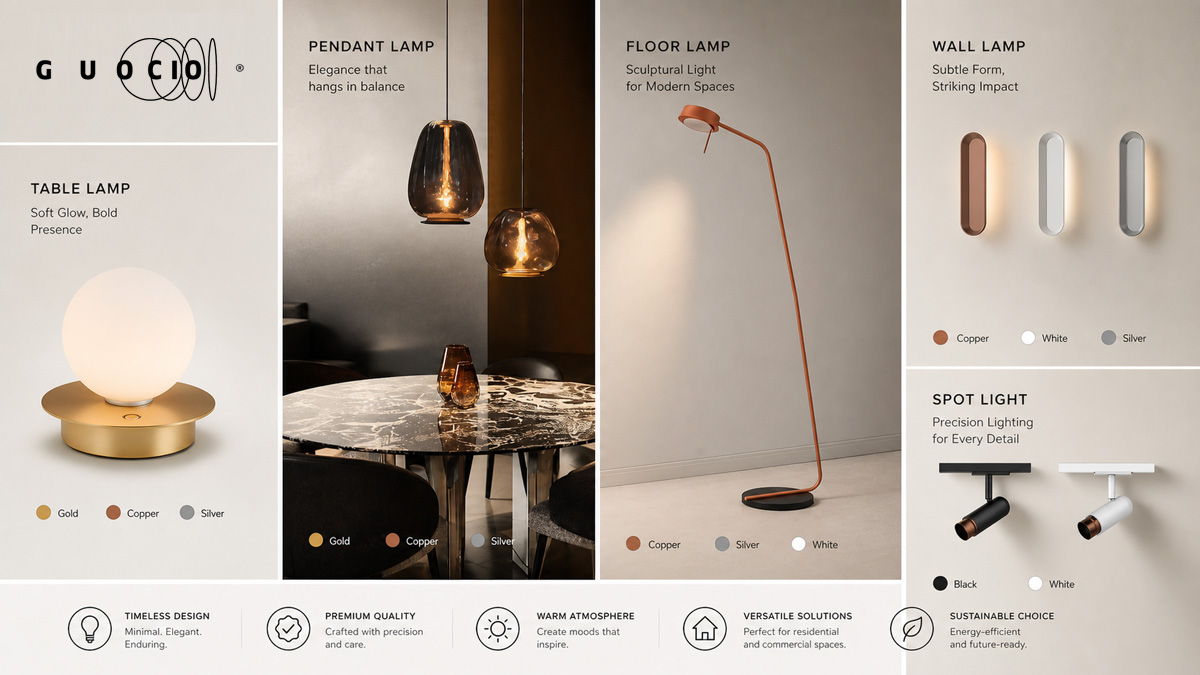
- ✅ Comprehensive Product Range: A credible partner offers a complete range of fixture types to support every layer of your design — including ceiling lamps,pendant lamps,wall lamps,floor lamps,table lamps,spotlights,and art mirrors.
- ✅ Design Language Fluency: They understand and speak the vocabulary of interior design — proportion, scale, texture, atmosphere — not just watts and lumens.
- ✅ Technical Documentation: They provide proper specification sheets, IES files, and installation guides that your contractors and M&E engineers can work with.
- ✅ Project Portfolio: They can demonstrate relevant experience across your project typologies — whether residential, commercial, hospitality, or retail.
- ✅ Responsive Support: They are available for site visits, technical queries, and post-installation adjustments — treating the relationship as a long-term partnership, not a one-time transaction.
- ✅ Customisation Capability: For high-end or bespoke projects, the ability to customise finishes, sizes, or configurations is a significant advantage.
Real-World Application: How Different Project Types Benefit
The value of a lighting design partner is consistent across project types, but the specific application varies depending on the space’s function and the client’s expectations.
🏢 Commercial & Office Spaces
In commercial environments, lighting must simultaneously support productivity, reflect brand identity, and meet energy efficiency targets. A lighting design partner helps specify the right
ceiling lamp
systems for general illumination, integrates
spotlights
for reception displays and meeting room drama, and uses
wall lamps
to soften corridor transitions and create a more human-centred workplace environment.
🏨 Hospitality & Hotel Projects
Hospitality lighting is fundamentally about emotion. Guests form their first impression of a hotel through its light before they are even conscious of it. A skilled lighting partner uses
pendant lamps
as architectural statements in lobby spaces, layers
wall lamps
in guest corridors for warmth and wayfinding, places
floor lamps
in lounge areas to create intimate seating vignettes, and uses
table lamps
in guest rooms to balance ambiance with practical bedside illumination.
🏠 High-End Residential & Villa Projects
Luxury residential clients expect a lighting experience that is deeply personal and highly flexible. The lighting design partner works across all fixture categories — from the statement
ceiling lamp
in the entrance hall to the carefully positioned
art mirror
that amplifies light and adds spatial depth in the master bathroom. Every room is treated as its own lighting scene, tied together by a consistent colour temperature strategy and a whole-home dimming system.
Frequently Asked Questions (FAQs)
When should a lighting designer be involved in an interior design project?
A lighting designer should be involved as early as the concept design stage — ideally at the same time as the interior designer. Early involvement ensures that lighting points, ceiling structures, and electrical layouts are planned together, avoiding costly changes later in the project.
How does a lighting design partner charge for their services?
Lighting design partners typically charge based on project scope. Common models include a flat project fee, an hourly consultation rate, or a percentage of the total lighting budget. Some partners, like Guocio, offer integrated design support when you source fixtures through them.
Can interior designers handle lighting design on their own?
While experienced interior designers understand basic lighting principles, a dedicated lighting design partner brings deeper expertise in photometric calculations, dimming systems, colour temperature strategy, and fixture specifications — all of which significantly elevate the final result.
What is the difference between a lighting consultant and a lighting supplier?
A lighting consultant focuses on design strategy, technical specifications, and light planning. A lighting supplier provides the physical fixtures. A lighting design partner like Guocio combines both roles — offering professional design guidance alongside a curated range of high-quality lighting products.
How do I know if a lighting partner understands my design vision?
Look for a lighting partner who asks detailed questions about your project brief, presents mood boards or lighting concept visuals, and can reference past projects similar to yours. A strong lighting partner speaks the language of design, not just product specifications.
Ready to Elevate Your Next Design Project?
The difference between a good interior design and a truly memorable one is often a single, well-executed element: lighting. Whether you are working on a luxury residential villa, a boutique hotel, or a flagship commercial space, Guocio is ready to be your dedicated lighting design partner — from first concept to final commissioning.
Explore our full range of professionally curated lighting fixtures, or reach out to our team to discuss your next project.