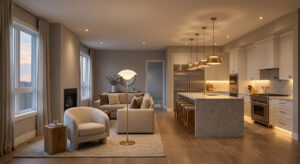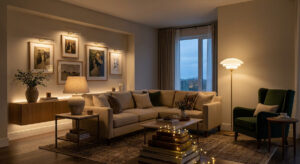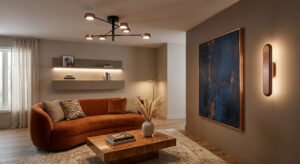
A professional lighting design process ensures your space is not only illuminated — but elevated. From luxury villas to commercial showrooms, structured planning guarantees consistent results.
Book a Free Consultation
Why a Structured Lighting Design Process Matters
Without professional planning, lighting often results in glare, uneven brightness, poor ambiance, and unnecessary energy waste. A clear process eliminates these risks before installation begins.
Step 1: Strategic Consultation
We begin by understanding your project goals, budget, lifestyle needs, and smart lighting requirements. This stage aligns lighting strategy with your long-term vision.
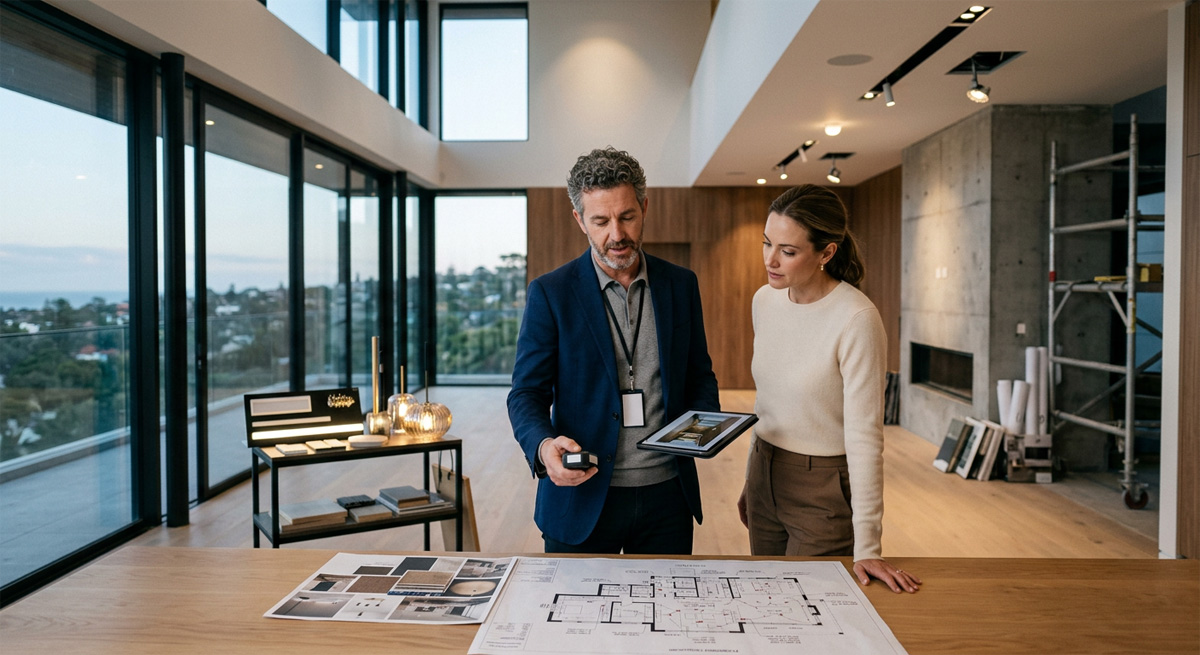
Step 2: Architectural & Environmental Analysis
Lighting interacts with architecture. We evaluate natural daylight, ceiling heights, material reflectivity, and electrical infrastructure to prevent costly redesigns.
Step 3: Lighting Concept Development
We define mood, atmosphere, and layered lighting strategy (ambient, task, accent). This transforms basic illumination into emotional experience.
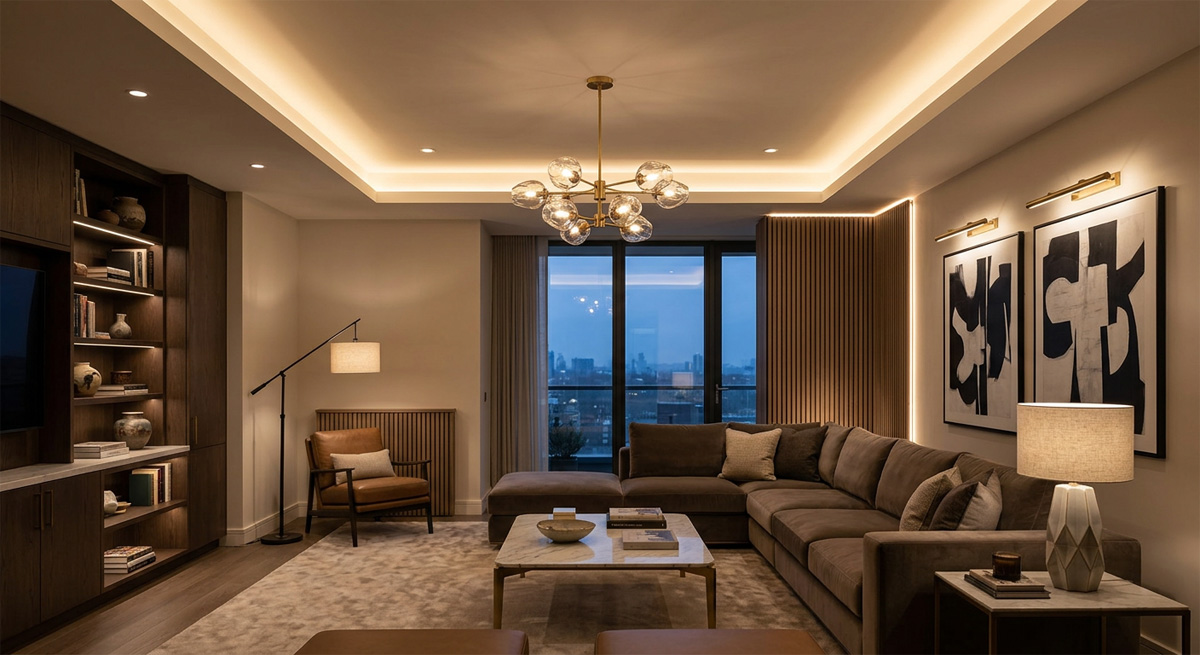
Step 4: Technical Planning & Lux Calculation
Professional layout drawings, lux calculations, beam angle optimization, and glare control ensure comfort and efficiency.
Step 5: Fixture Specification
We carefully select fixtures based on CRI, color temperature, wattage, beam angle, and reliability. Lighting is chosen for performance — not decoration alone.
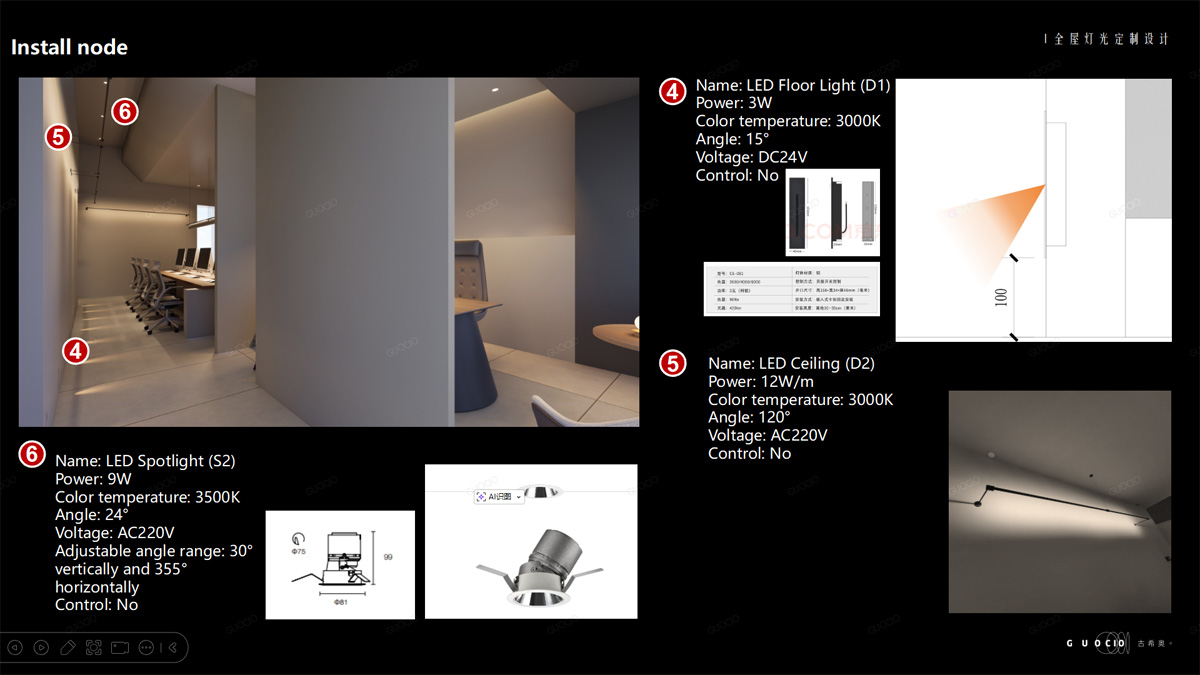
Step 6: Installation Coordination
We collaborate with electricians, contractors, and interior designers to ensure installation matches the original design intent precisely.
Step 7: Final Adjustment & Scene Programming
Final aiming, brightness refinement, and smart scene programming create day/night modes and functional lighting presets.
e control ensure comfort and efficiency.Why Clients Hire Professional Lighting Designers
- Higher property value
- Improved comfort and usability
- Enhanced brand perception
- Long-term energy efficiency
- Luxury visual impact
Ready to Transform Your Space?
A professional lighting design process is not an expense — it’s an investment in comfort, efficiency, and long-term value.