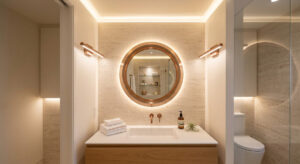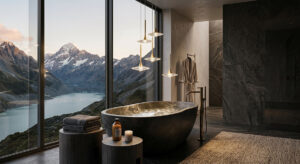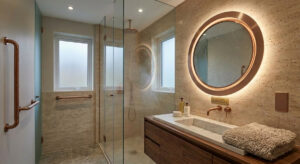
Many people believe lighting design is simply part of interior design. While both disciplines work together, they differ significantly in expertise and technical depth. Understanding this distinction is crucial when planning a villa, showroom, office, or coffee shop.
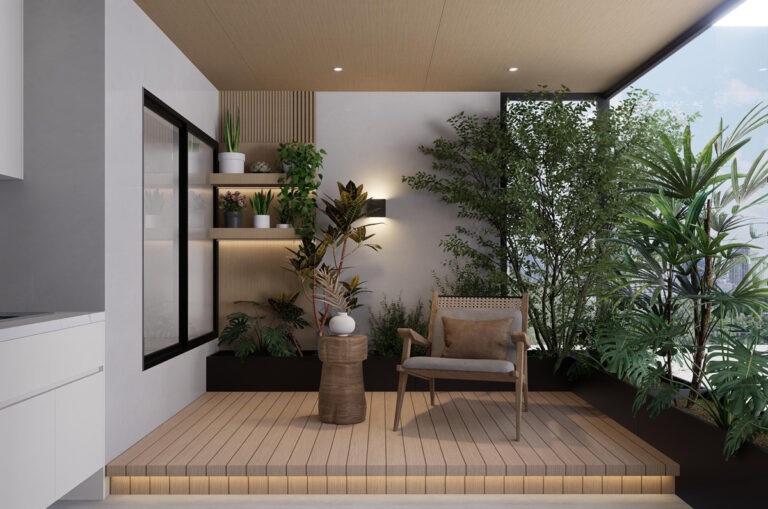
What Is Interior Design?
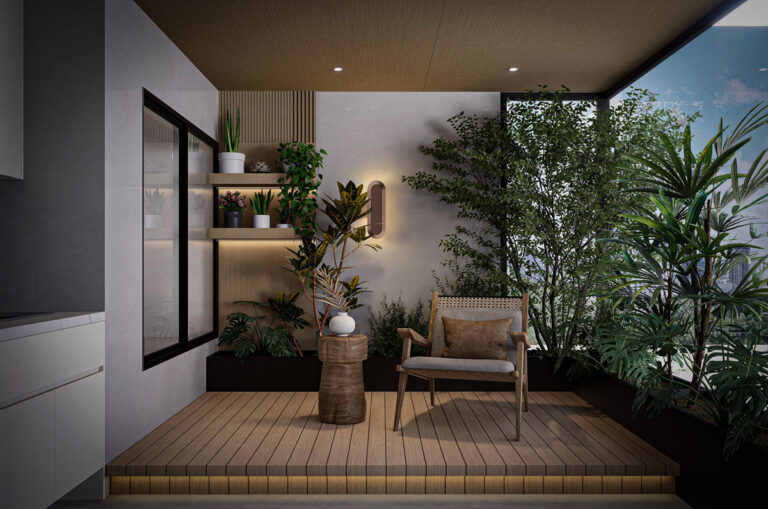
Interior design focuses on spatial planning, furniture selection, material coordination, and aesthetic styling. It shapes how a space looks visually through layout, textures, colors, and decorative elements.
What Is Lighting Design?
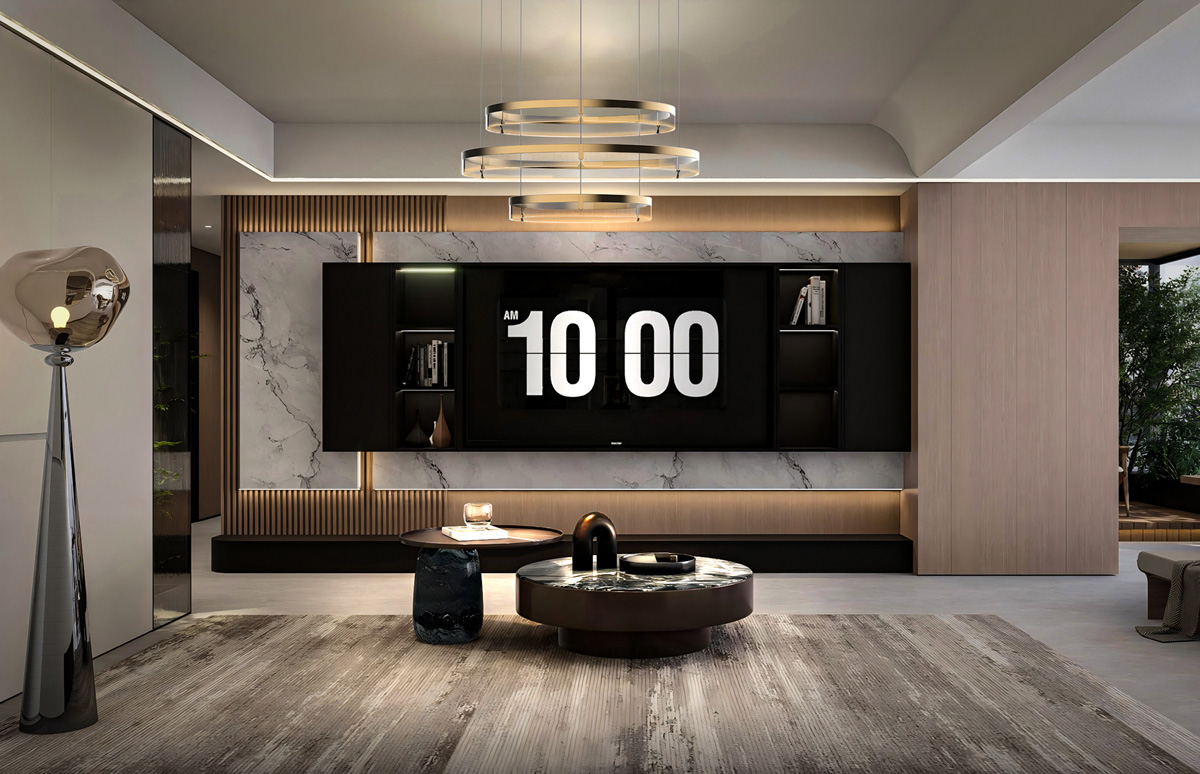
Lighting design focuses on how a space performs under light. It includes illumination levels, glare control, beam angles, color temperature planning, and smart system integration. Professional
Lighting Design Services
use fixtures such as Floor Lamps, Pendant Lamps, Spot Lights, and Table Lamps to create layered and functional environments.
Key Differences Between Lighting Design and Interior Design
| Interior Design | Lighting Design |
|---|---|
| Focus on layout & decoration | Focus on illumination & light distribution |
| Furniture & materials | Lux calculation & glare control |
| Visual styling | Visual comfort & atmosphere |
| Static design elements | Dynamic lighting scenes |
Why Professional Lighting Design Matters
In projects such as Villa Lighting Design
or Coffee Shop Lighting Design, lighting influences mood, customer behavior, productivity, and brand perception.
Professional lighting designers understand light physics, emotional psychology, and architectural integration.
When Should You Hire a Lighting Designer?
- Luxury villa projects
- Retail & showroom environments
- Restaurant and café ambiance design
- Museum or art gallery lighting
- Smart lighting system integration
Conclusion
Interior design defines how a space looks. Lighting design defines how it feels and functions. For high-end residential and commercial projects, professional lighting design is not optional — it is essential.